The Allure of Fire Images
Fire. It's a primal force, a symbol of destruction and creation, warmth and danger. Its visual presence is undeniably captivating. Whether you're a designer seeking a dramatic background, a writer looking for evocative imagery, or simply someone mesmerized by its dance, high-quality fire images are a powerful visual tool. But what makes a fire image truly stand out? It's not just about capturing flames; it's about conveying the essence of fire – its intensity, its movement, its texture, and the emotions it evokes. This guide will delve into the world of fire imagery, exploring what makes them impactful, where to find them, and how to use them effectively to ignite your audience's imagination.
The search for compelling fire images is often driven by a need to add visual drama, energy, or a touch of the untamed to a project. From the subtle glow of embers to the roaring inferno of a wildfire, the spectrum of fire's visual representation is vast. Understanding the nuances of how fire is captured and presented is key to leveraging its power. We'll explore the different facets of fire imagery, from artistic interpretations to practical applications, ensuring you find exactly what you need to make your content burn brightly.
Understanding the Anatomy of a Great Fire Image
What elevates a simple snapshot of flames into an arresting fire image? It’s a combination of technical skill and artistic vision. Top-tier fire photography often focuses on several key elements:
Light and Shadow Play
Fire is inherently a source of light, and its illumination creates dramatic contrasts. The way fire casts light on its surroundings, the deep shadows it creates, and the way it illuminates smoke are crucial. Look for images where the interplay of light and shadow adds depth and dimension. A well-executed fire photograph will use these elements to sculpt the scene, drawing the viewer's eye to the most intense parts of the flame.
Texture and Movement
Fire isn't static; it's a dynamic entity. The wisps of smoke, the flickering tongues of flame, the glowing embers – these all contribute to a sense of movement and rich texture. High-resolution fire images will capture these fine details, allowing you to almost feel the heat and see the fluid motion. Whether it's the delicate curl of smoke or the explosive burst of an ember, these details make the image feel alive.
Color Palette
The colors of fire range from deep reds and oranges to bright yellows, whites, and even blues in very hot flames. A skilled photographer understands how to capture and enhance these colors, creating a visually striking palette. Sometimes, the context around the fire – the darkness of the night, the silhouette of objects against the flames – further accentuates the colors, making them pop.
Composition and Framing
Just like any other photographic subject, composition is key. The rule of thirds, leading lines (perhaps the path of a burning log), and the overall framing can drastically impact the mood and focus of a fire image. Is the fire the sole subject, filling the frame with its intensity? Or is it part of a larger scene, adding atmosphere and context?
Emotional Resonance
Beyond the technical aspects, great fire images evoke emotion. They can represent passion, danger, destruction, renewal, or comfort. The best images hint at a story, inviting the viewer to contemplate the meaning and feeling behind the flames. A well-chosen fire image can instantly set a tone for your content.
Types of Fire Images and Their Applications
The versatility of fire images means they can be used across a wide range of applications. Understanding the different types can help you pinpoint the perfect visual for your needs.
Artistic and Abstract Fire Art
These fire images often focus on the aesthetic qualities of flames, sometimes digitally manipulated or captured with specific artistic techniques. They can be used for:
- Website backgrounds and headers: To add immediate visual impact and a sense of energy.
- Album art and book covers: To convey themes of passion, rebellion, or transformation.
- Print design and posters: For creating eye-catching artwork.
- Digital art projects: As a base for further manipulation or as standalone pieces.
Realistic Fire Photography
These images aim to capture fire as it appears naturally, often in contexts like campfires, fireplaces, or controlled burns. They are ideal for:
- Editorial content: Illustrating articles about nature, camping, cooking, or safety.
- Marketing materials: For businesses related to outdoor activities, home heating, or safety equipment.
- Educational purposes: Explaining fire science or demonstrating its effects.
- Social media posts: To create engaging and relatable content.
Dramatic and Intense Fire Scenes
This category includes powerful fire images of wildfires, explosions, or large-scale conflagrations. They are best suited for:
- News and current events reporting: To illustrate stories about natural disasters or industrial accidents.
- Documentaries and film: To add a sense of scale and drama.
- Awareness campaigns: For fire safety or environmental issues.
Subtle Flame and Ember Details
Sometimes, you don't need a roaring inferno. Close-ups of glowing embers, the gentle flicker of a candle, or the soft light of a gas stove can be incredibly effective for creating a cozy, intimate, or focused atmosphere. These are great for:
- Lifestyle blogs: To evoke warmth and comfort.
- Product photography: When showcasing items associated with relaxation or ambiance.
- User interfaces: For adding subtle visual cues or atmospheric elements.
Where to Find High-Quality Fire Images
Finding exceptional fire images requires knowing where to look. Several platforms offer a wealth of visually stunning options, catering to different needs and budgets.
Stock Photo Websites (Free and Paid)
- Free Stock Sites: Platforms like Unsplash, Pexels, and Pixabay offer a wide selection of high-quality, royalty-free fire images. These are fantastic for individuals and small businesses on a budget. Remember to check licensing terms, though most are very permissive.
- Paid Stock Sites: For more exclusive, specialized, or higher resolution images, consider sites like Shutterstock, Adobe Stock, Getty Images, and iStock. These often have advanced search filters and a larger, more curated collection.
Professional Photographers and Agencies
If you need something truly unique or specific, commissioning a photographer or working with a specialized stock agency that focuses on elemental or industrial photography can yield outstanding results. This is often the best route for large commercial projects with very specific visual requirements.
Public Domain Archives
For historical or specific archival fire images, public domain archives can be a treasure trove. However, ensure you verify the public domain status and any usage restrictions.
Tips for Using Fire Images Effectively in Your Content
Simply adding a fire image isn't enough; using it strategically maximizes its impact. Here are some tips:
1. Match the Image to Your Message
Does your content talk about warmth and comfort? A cozy fireplace image is appropriate. Are you discussing the dangers of unchecked ambition? A raging wildfire might be more suitable. Ensure the visual aligns perfectly with the narrative and emotional tone you aim to convey.
2. Consider File Size and Loading Speed
High-resolution fire images, especially those with complex textures, can be large. Optimize images for the web by compressing them without sacrificing too much quality. This is crucial for user experience and SEO, as slow-loading pages can deter visitors.
3. Use for Emphasis, Not Distraction
While fire is attention-grabbing, it shouldn't overpower your primary message. Use images strategically to highlight key points, break up text, or create visual interest. Avoid cluttering your content with too many or overly intense fire visuals unless they serve a clear purpose.
4. Experiment with Placement
Fire images can be used as full-width backgrounds, as smaller inset graphics, or as part of a collage. Consider where an image will have the most impact. A full-bleed image at the top of a page can set a powerful tone, while smaller, focused images can illustrate specific points within the text.
5. Accessibility Matters
Always provide descriptive alt text for your images. This helps visually impaired users understand the content of the image and also aids search engines in indexing your content. For fire images, this could be as simple as "Close-up of crackling campfire flames" or as detailed as "A distant view of a forest fire at dusk, smoke plumes rising into the sky."
The Emotional Impact of Fire Imagery
Fire is deeply ingrained in human psychology. It represents both primal survival and profound change. This inherent connection makes fire images incredibly potent tools for communication.
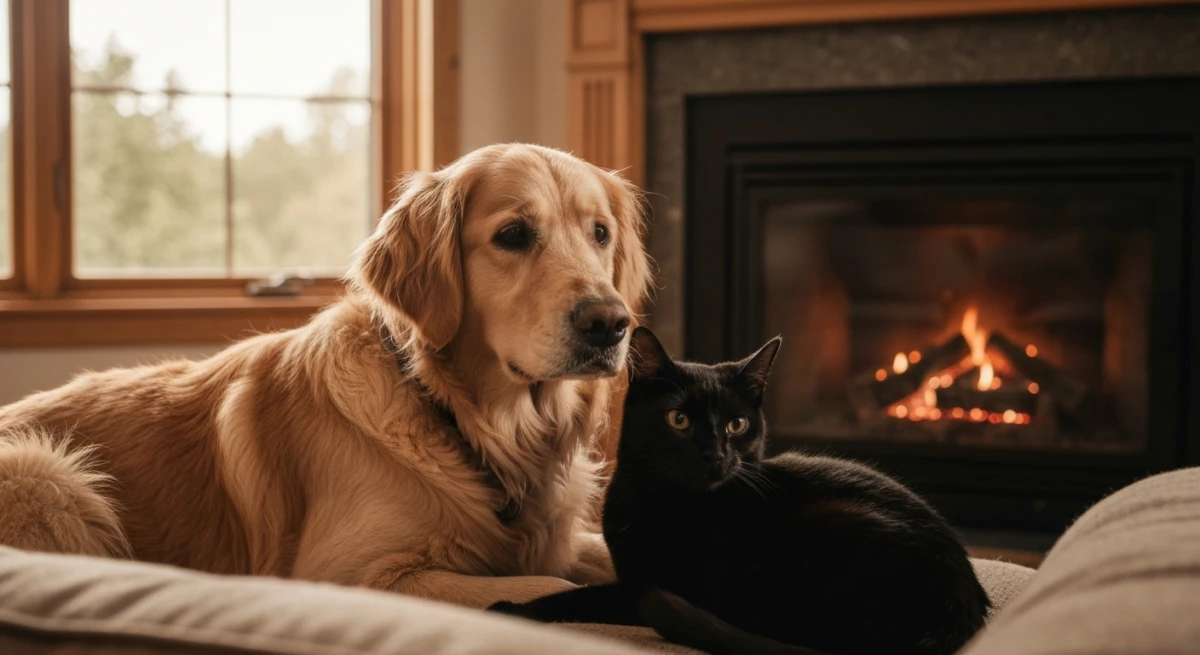
- Warmth and Comfort: Images of gentle flames in a fireplace or campfire evoke feelings of safety, intimacy, and relaxation. They speak to our desire for hearth and home.
- Passion and Energy: The dynamic, flickering nature of fire can symbolize intense emotion, drive, and creativity. It's the fire in one's belly, the spark of inspiration.
- Danger and Destruction: Conversely, fire also represents immense power that can be destructive. Images of raging infernos warn of risks, symbolizing loss, chaos, and the untamed aspects of nature.
- Transformation and Renewal: Fire consumes and transforms. It can be seen as a symbol of purification, burning away the old to make way for the new. This duality makes fire a powerful metaphor for personal growth and societal change.
When selecting fire images, consider the emotional response you want to elicit from your audience. A well-chosen image can amplify the emotional resonance of your message, making it far more memorable and impactful.
Frequently Asked Questions About Fire Images
What kind of images are considered "fire images"?
"Fire images" generally refer to photographs or illustrations that depict fire in various forms – from small candle flames and campfires to large wildfires and explosions. They capture the visual characteristics of burning, including light, color, smoke, and movement.
Are there specific legal considerations when using fire images?
Yes, especially when using images found online. Always check the licensing terms. Royalty-free images from reputable stock sites offer the most flexibility. Avoid using copyrighted images without permission, as this can lead to legal issues. Public domain images are free to use, but it's wise to confirm their status.
Can I use fire images for commercial purposes?
Generally, yes, provided you have the appropriate license. Stock photo sites offer licenses that cover commercial use. If you are unsure, always consult the licensing agreement for the specific image you intend to use.
How can I make sure my fire images load quickly?
Optimizing your images is key. Use image editing software to resize them appropriately for their intended display size and compress them using tools like TinyPNG or online compressors. WebP format is also an excellent choice for better compression and quality.
Conclusion
Fire images are more than just visuals; they are potent symbols that can add immeasurable depth and impact to your content. By understanding the elements that make a fire image compelling, exploring the diverse applications available, and knowing where to find high-quality resources, you can harness the power of flames to captivate your audience. Whether you're aiming to evoke warmth, ignite passion, or convey danger, the right fire image is a powerful tool in your creative arsenal. Use them wisely, and let your content burn brightly.