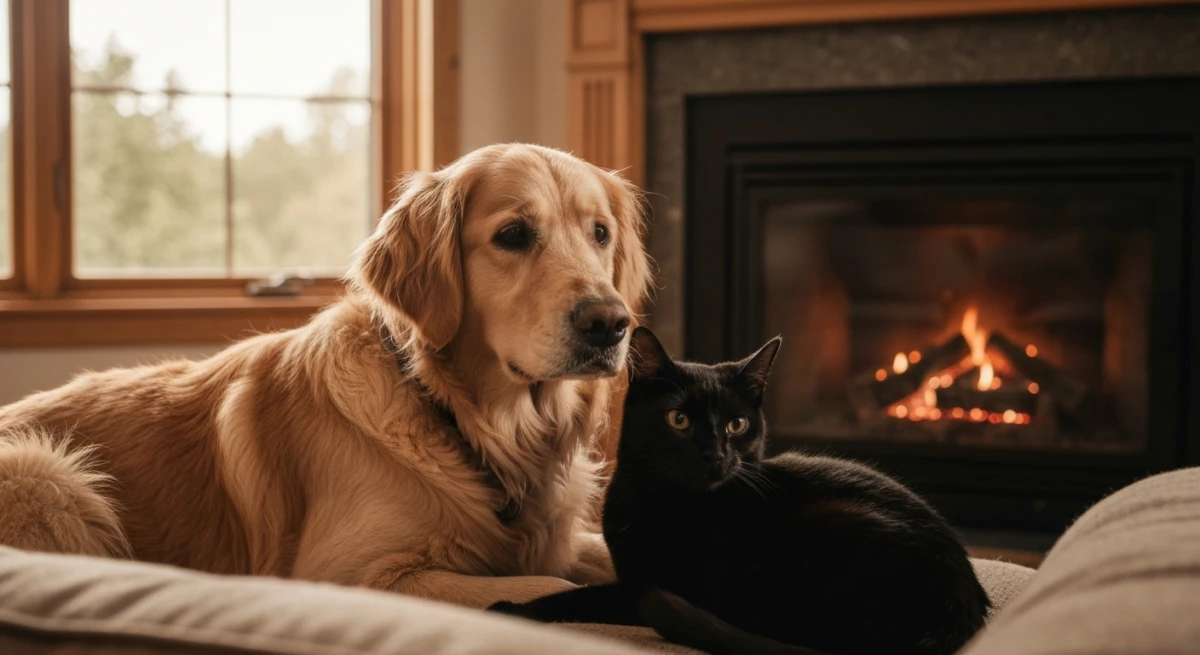
Winter. The word itself conjures images of crisp air, frosted landscapes, and a quiet beauty unlike any other season. If you're looking to capture this unique charm, you've come to the right place. This guide is all about creating stunning winter pictures, whether you're a seasoned photographer or just looking to snap memorable shots on your phone.
What are you hoping to achieve with your winter pictures? Are you seeking inspiration for your next photoshoot, looking for tips to improve your existing winter photography skills, or simply wanting to find beautiful images to brighten your day? We'll cover it all, delving into the best techniques, gear considerations, and creative ideas to help you freeze the fleeting magic of winter in time.
Embracing the Light: Photography in Winter's Glow
Winter light is notoriously challenging yet incredibly rewarding. The sun sits lower in the sky, casting long shadows and bathing landscapes in a soft, diffused glow, especially during the golden hours of early morning and late afternoon. This unique lighting can dramatically enhance the mood and drama of your winter pictures.
Understanding the Quality of Light:
- Soft, Diffused Light: Overcast winter days provide a beautiful, even light that's perfect for portraits and revealing subtle details in snow. It minimizes harsh shadows and can make colors pop. Don't shy away from cloudy days; they can be a photographer's best friend.
- Golden Hour Magic: The low-angle sun during sunrise and sunset paints the snow-covered world in warm hues of pink, orange, and gold. This is the prime time to capture dramatic landscapes and silhouettes. Plan your shoots around these times for the most impactful winter pictures.
- Blue Hour Serenity: The period just before sunrise and after sunset, known as the blue hour, offers a tranquil, cool-toned light. It's ideal for cityscapes or landscapes where you want to emphasize the deep blues of twilight and the emerging artificial lights.
Maximizing Winter Light:
- Shoot with the Sun: Experiment with shooting towards the sun (being careful not to look directly at it or damage your lens). Backlighting can create beautiful rim lighting around snow-laden branches and give your subject a glowing aura.
- Utilize Reflective Surfaces: Snow itself is a powerful reflector of light. Pay attention to how light bounces off the snow and illuminates your subjects from below. This can create a magical, ethereal effect in your winter pictures.
- Look for Contrast: Winter scenes often benefit from strong contrast. Look for dark elements like evergreen trees or bare branches against the white snow, or capture the warmth of a fireplace against the cold outdoors.
Mastering the White Balance: Dealing with Snow
One of the biggest hurdles in winter photography is correctly exposing for snow. Snow is very bright and can easily trick your camera's meter into underexposing the scene, resulting in gray, lifeless snow instead of pure white. This is where understanding white balance and exposure compensation is crucial for great winter pictures.
Exposure Compensation is Key:
Most digital cameras have an exposure compensation setting (often indicated by a +/- symbol). Because snow is so reflective, your camera will likely try to make it appear gray. You'll need to tell your camera to overexpose slightly. Start by adding +0.7 to +1.3 stops of exposure compensation. Take a test shot and review it on your LCD screen. Adjust further if needed until the snow looks white and the details are still visible.
Understanding White Balance:
- Auto White Balance (AWB): While convenient, AWB can sometimes struggle with snow, often giving it a bluish tint. You might need to adjust it manually.
- Preset White Balance Modes: Experiment with modes like 'Daylight', 'Cloudy', or 'Shade'. 'Cloudy' or 'Shade' can often warm up a snowy scene, adding a pleasing tone to your winter pictures.
- Custom White Balance: For the most accurate colors, especially in tricky lighting conditions, setting a custom white balance is recommended. Use a gray card or a white object in your scene and set your camera to use that as a reference.
- Shooting in RAW: If your camera allows, shoot in RAW format. RAW files contain more image data than JPEGs, giving you much greater flexibility to adjust white balance and exposure in post-processing without sacrificing quality. This is invaluable for getting perfect winter pictures.
Post-Processing for White Balance:
Even with careful in-camera settings, you might need to fine-tune your white balance in editing software. Lightroom, Photoshop, and other editing programs offer powerful tools to correct color casts and ensure your snow looks its natural, brilliant white.
Beyond the Snowscape: Capturing Winter's Cozy and Dramatic Moments
While snow-covered landscapes are the quintessential winter scene, the season offers a wealth of other photographic opportunities. Don't limit yourself to just wide vistas; explore the intimate, the cozy, and the dramatic elements that make winter unique.
The Charm of Cozy Interiors:
- Warmth and Comfort: Photographing indoors can provide a welcome respite from the cold and a chance to capture intimate, heartwarming scenes. Think about fireplaces, steaming mugs of cocoa, board games by the fire, or soft blankets.
- Natural Light Indoors: Even indoors, natural light is your best friend. Position your subjects near windows to take advantage of the soft, diffused light. This will make your indoor winter pictures feel more natural and inviting.
- Focus on Details: Close-ups of hands warming around a mug, flickering candlelight, or the texture of a wool sweater can tell powerful stories about the comforts of winter.
Capturing Ice and Frost:
- Intricate Patterns: Ice formations on windows, frozen puddles, or frost on branches create stunning abstract patterns and textures. Use a macro lens or zoom in close to reveal the delicate beauty.
- Backlighting Frost: When photographing frosted leaves or branches, try backlighting them. This will make the frost sparkle and create a magical, almost ethereal effect.
- Ice Sculptures and Icicles: These can be incredibly photogenic, especially when they catch the light. Look for interesting shapes and play with different angles.
People in Winter:
- Action and Joy: Capture children building snowmen, families enjoying a snowball fight, or people bundled up and enjoying the crisp air. These candid moments are often the most vibrant and memorable.
- Portraits in Winter: Winter clothing can be bulky, but it also offers opportunities for unique portraits. Use the snowy backdrop to your advantage, and consider creative use of hats, scarves, and gloves.
- Silhouettes Against the Sky: The low winter sun is perfect for creating dramatic silhouettes of people against colorful winter skies.
Night Photography in Winter:
- Starry Skies Over Snow: A clear, cold winter night offers some of the best opportunities for astrophotography. The snow reflects ambient light, which can help illuminate the landscape.
- Light Trails and Urban Winter: Capture car light trails against a snowy city backdrop for dynamic urban winter pictures.
- Long Exposures: Experiment with long exposures to smooth out moving water (if not frozen) or capture the movement of clouds on a cold night.
Essential Gear and Tips for Winter Photography
Photographing in cold weather requires some preparation to keep both yourself and your gear in good working order. The elements can be harsh, but with the right approach, you can confidently capture beautiful winter pictures.
Protecting Your Camera:
- Weather-Sealed Gear: If possible, use a camera and lenses that are weather-sealed. This offers a significant level of protection against moisture and dust.
- Camera Bag Protection: Use a rain cover for your camera bag, or even a sturdy plastic bag inside to add an extra layer of defense.
- Acclimatization: When moving from a cold outdoor environment into a warm indoor space, keep your camera in its bag for a while. This allows it to gradually warm up, preventing condensation from forming on the internal components.
- Batteries Drain Faster: Cold temperatures significantly reduce battery life. Carry spare batteries and keep them in a warm pocket close to your body.
Essential Accessories:
- Tripod: Crucial for sharp images in low light and for long exposures. A sturdy tripod will prevent camera shake.
- Lens Cloths: Keep plenty of microfiber cloths handy to wipe away snow, ice, and condensation from your lens.
- Gloves: Photography gloves are designed to keep your hands warm while still allowing you to operate your camera controls.
- Goggles/Eyewear: Protect your eyes from wind and snow, especially during blizzards.
Camera Settings to Consider:
- Shutter Speed: Use a faster shutter speed to freeze falling snow, or a slower one to create a smooth, misty effect.
- Aperture: A wider aperture (smaller f-number) can create a shallow depth of field, isolating your subject against a blurred winter background. A narrower aperture (larger f-number) will keep more of the scene in focus.
- ISO: Keep your ISO as low as possible to minimize noise, especially in good light. However, don't be afraid to increase it slightly in very low light conditions.
Post-Processing: Enhancing Your Winter Pictures
Post-processing is where you can truly bring your winter pictures to life, correcting minor issues and enhancing the inherent beauty of the scene. It’s not about creating something fake, but rather about refining what you captured.
Key Adjustments:
- Exposure and Contrast: Fine-tune these to ensure your snow is bright but not blown out, and that your shadows have detail. Adjusting contrast can add punch to muted winter light.
- White Balance Correction: As discussed, this is often essential to get true whites and accurate colors. Even a slight adjustment can make a big difference.
- Saturation and Vibrance: Use these sparingly. Winter colors can be subtle, and overdoing it can look unnatural. Vibrance is often a safer choice as it selectively boosts less saturated colors.
- Sharpening: Apply sharpening to bring out the details in frost, ice, and textures. Be careful not to over-sharpen, which can create halos or artifacts.
- Noise Reduction: If you had to shoot at a higher ISO, apply noise reduction to clean up any graininess, especially in the shadow areas.
- Cropping and Straightening: Ensure your horizon is level and crop to improve composition. Sometimes, a tight crop on an interesting detail can make for a compelling image.
Software Options:
Popular choices include Adobe Lightroom and Photoshop, Luminar Neo, Capture One, and free options like GIMP. Each offers different strengths, but all can help you elevate your winter pictures.
FAQ - Your Winter Pictures Questions Answered
What is the best time of day for winter photography? The golden hours (shortly after sunrise and before sunset) offer the most beautiful, warm light. However, overcast days provide soft, diffused light perfect for details, and blue hour offers a serene, cool tone.
How do I prevent my camera from fogging up in the cold? When moving from cold to warm environments, keep your camera in its bag for at least 30 minutes to allow it to acclimatize slowly and prevent condensation.
Is it safe to use my phone for winter pictures? Yes! Modern smartphones have excellent cameras. Just be mindful of battery drain in the cold and protect your phone from moisture. Shooting in RAW if your phone supports it will offer more editing flexibility.
What if my snow looks gray in my pictures? This is a common issue due to your camera's meter being fooled by the brightness of the snow. Use exposure compensation to overexpose slightly (add +0.7 to +1.3 stops) and consider shooting in RAW for easier correction in post-processing.
Capturing compelling winter pictures is an art form that blends technical skill with creative vision. By understanding the unique qualities of winter light, mastering your camera's settings, protecting your gear, and employing thoughtful post-processing, you can create images that truly showcase the serene beauty and captivating spirit of the season. So grab your camera, bundle up, and go make some magic!